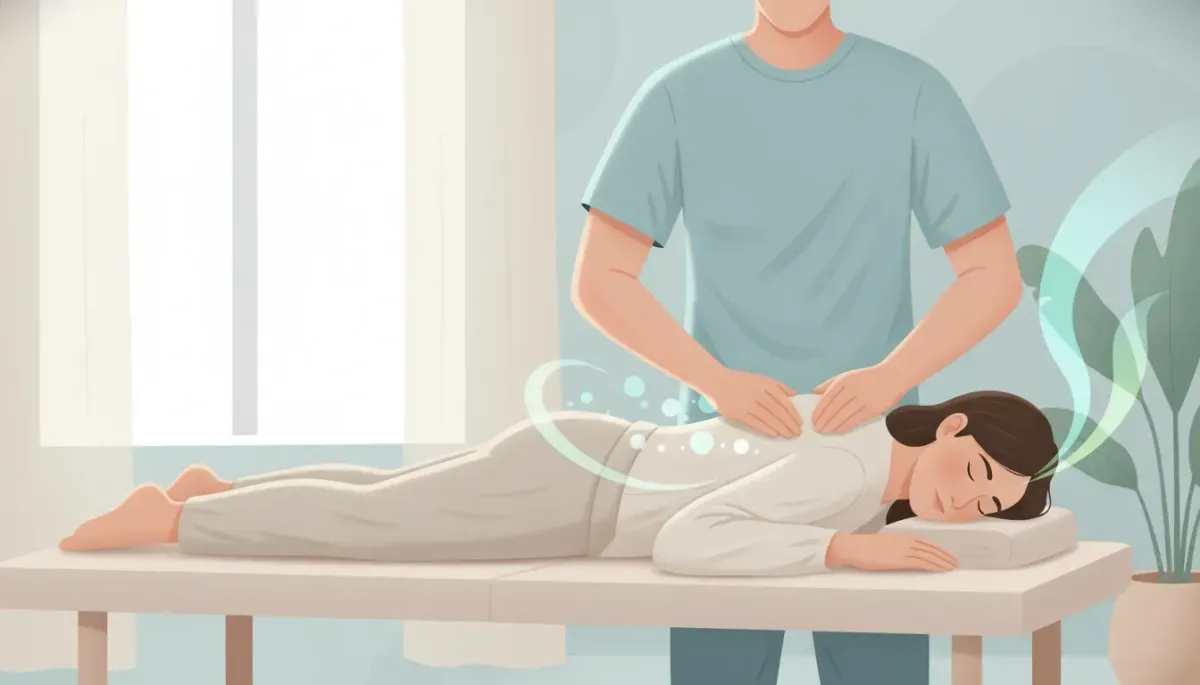
Chiropractic Adjustment and Breathing: How Gentle Nose Breathing May Help Support Oxygen Levels
A chiropractic adjustment is often associated with posture, movement, and physical tension, but many patients also ask a related question: can breathing habits affect how well the body uses oxygen? The short answer is yes. While a chiropractic adjustment is not a breathing treatment, breathing patterns can influence stress, sleep quality, and overall comfort, which are all highly relevant to many people seeking conservative wellness support.
One of the biggest misconceptions is that taking bigger breaths automatically means getting more usable oxygen. In reality, breathing too fast or too deeply can work against the body. Gentle, controlled breathing through the nose may support better oxygen delivery by helping maintain a healthier balance between oxygen and carbon dioxide.
For any person interested in wellness habits alongside a chiropractic adjustment, understanding this connection can be useful.
Table of Contents
🫁 Why more air does not always mean more usable oxygen
It sounds logical that deeper breathing would increase oxygen. But the body does not work like a simple air pump. Oxygen has to be carried in the blood and then released into tissues where it can actually be used.
That release depends in part on carbon dioxide, often called CO2. CO2 is commonly treated like a waste gas with no real value, but the body needs an appropriate amount of it for normal physiology. When breathing becomes excessive, CO2 can drop too low. That can interfere with oxygen delivery to cells.
This is why overbreathing can lead to symptoms such as:
Dizziness
Lightheadedness
Fatigue
Tingling sensations
A sense of air hunger
For patients who receive a chiropractic adjustment and also deal with stress, shallow chest breathing, or poor sleep, this point matters. Breathing harder is not always the answer. Breathing smarter often is.
🧪 The Bohr effect in simple terms
A key concept here is the Bohr effect. This describes how carbon dioxide helps hemoglobin release oxygen from red blood cells into tissues.
In plain language:
Blood can carry oxygen
Cells need that oxygen released
CO2 helps trigger that release
If a person chronically overbreathes and drives CO2 too low, oxygen may remain more tightly bound in the blood instead of being delivered efficiently where it is needed.
This helps explain why someone can breathe a lot yet still feel tired, tense, or unwell. It is not just about oxygen intake. It is also about oxygen delivery.
😮 Stress, mouth breathing, and chronic overbreathing
Acute hyperventilation is easy to recognize. It often happens during panic or intense anxiety. Chronic overbreathing is subtler. A person may not notice it at all.
Common patterns include:
Breathing through the mouth during the day
Upper chest breathing instead of diaphragmatic breathing
Frequent sighing or visible overbreathing under stress
Waking with a dry mouth
Snoring or sleeping with the mouth open
According to the source material, ongoing low CO2 from chronic hyperventilation may be linked with symptoms such as fatigue, insomnia, muscle twitching, heart stress, stuffy nose, and tingling. It may also shift blood pH in a more alkaline direction.
This is especially relevant to people seeking a chiropractic adjustment because physical tension and stress-related breathing often show up together. Tight shoulders, neck strain, chest breathing, and poor sleep frequently overlap.
👃 Why nose breathing matters
Nose breathing does more than move air. It helps filter, humidify, and condition the air before it reaches the lungs. It also naturally creates a bit more resistance than mouth breathing, which may help reduce overbreathing.
The source material specifically states that nose breathing can improve oxygen status compared with mouth breathing. It also highlights practical sleep benefits such as less dry mouth, potentially less snoring, and feeling more refreshed in the morning.
For a patient trying to support overall wellness alongside a chiropractic adjustment, nose breathing is a simple habit worth practicing.
Signs mouth breathing may be a problem
Dry mouth on waking
Noisy breathing during sleep
Frequent stuffy nose
Feeling the need to “take big breaths” often
Breathing mostly from the upper chest
🧘 A simple breathing technique to practice
The recommended approach is not forceful deep breathing. It is soft, relaxed, diaphragmatic breathing.
Here is the basic method:
Breathe in gently for 5 seconds.
Breathe out gently for 5 seconds.
Keep the breath quiet and relaxed.
Use the diaphragm so the abdomen moves more than the upper chest.
Avoid strain or gulping air.
This pattern may help calm the body and reduce a fight-or-flight breathing pattern. It can be practiced during low-stress moments to build a better habit before stress kicks in.
Best times to practice
Before bed
While sitting quietly at home
During traffic or other stressful situations
During screen time when posture and breathing tend to get sloppy
Many people pair this with a timing app that guides inhale and exhale length.
🌙 Sleep habits that may support better breathing
Nighttime breathing can undo daytime progress. If the mouth stays open during sleep, a person may continue overbreathing for hours without realizing it.
Two simple tools mentioned in the source material are:
Nasal strips to help open the nasal passages
Mouth tape to encourage nose breathing during sleep
These strategies are often discussed by people trying to reduce dry mouth, support nose breathing, and improve sleep quality.
Important: anyone considering mouth tape should use common sense and speak with a qualified healthcare professional first, especially if there is nasal obstruction, sleep-disordered breathing, or uncertainty about whether it is safe.
For someone already pursuing a chiropractic adjustment for tension, sleep-related posture issues, or neck discomfort, nighttime breathing habits can be an overlooked piece of the puzzle.
⚠️ Common mistakes people make
Breathing advice online is often oversimplified. These are some common errors:
Assuming bigger breaths are always better. Excessive breathing can lower CO2 too much.
Breathing through the mouth by default. This bypasses the nose’s filtering and conditioning role.
Using the upper chest only. This often goes hand in hand with tension and stress.
Practicing breathing with strain. The goal is calm, soft breathing, not performance breathing.
Ignoring nighttime symptoms. Snoring, dry mouth, and unrestful sleep matter.
🩺 When symptoms should be medically assessed
Breathing symptoms are not always just a habit problem. Lightheadedness, severe shortness of breath, chest pain, fainting, or ongoing low oxygen readings require medical attention.
A chiropractic adjustment may be part of a broader wellness plan for some people, but it is not a substitute for medical evaluation when warning signs are present.
Anyone with suspected sleep apnea, repeated panic symptoms, significant nasal blockage, or unexplained fatigue should consult an appropriate healthcare professional.
✅ A practical checklist for patients
For people interested in combining better daily habits with a chiropractic adjustment, this checklist keeps things simple:
Breathe through the nose during the day whenever possible
Practice 5 seconds in, 5 seconds out breathing without strain
Let the abdomen move instead of lifting the chest
Notice whether stress triggers faster breathing
Watch for signs of nighttime mouth breathing such as dry mouth or snoring
Consider nasal support tools if needed and medically appropriate
📌 The bottom line
A chiropractic adjustment may help some patients address musculoskeletal tension and movement issues, but breathing habits can also play a major role in how the body feels day to day. The key takeaway is simple: more breathing is not always better breathing.
Gentle diaphragmatic breathing, done through the nose and practiced consistently, may help support more effective oxygen use, calmer stress responses, and better sleep habits. For many patients, that is a practical and easy place to start.
❓FAQ
Can a chiropractic adjustment increase oxygen levels?
A chiropractic adjustment is not presented here as a direct method for raising oxygen levels. However, many patients interested in a chiropractic adjustment also benefit from learning healthier breathing habits that may support oxygen delivery and relaxation.
Is deep breathing the best way to get more oxygen?
Not necessarily. Excessive deep breathing can lower carbon dioxide too much, which may make oxygen delivery to tissues less efficient. Gentle, controlled breathing is generally the better approach described here.
Why is carbon dioxide important for oxygen delivery?
Carbon dioxide helps red blood cells release oxygen into tissues through the Bohr effect. If CO2 drops too low because of overbreathing, oxygen may not unload as effectively where the body needs it.
Is mouth breathing bad for oxygen use?
Mouth breathing may contribute to overbreathing and bypasses the nose’s ability to filter, humidify, and condition the air. Nose breathing is generally the preferred pattern discussed in this article.
What is the easiest breathing exercise to try?
A simple option is to inhale gently for 5 seconds and exhale gently for 5 seconds, using the diaphragm and keeping the breath soft and quiet. The goal is calm breathing, not bigger breathing.
Can mouth tape help at night?
It may help some people encourage nose breathing during sleep, but it is not right for everyone. Anyone with nasal blockage, sleep concerns, or medical uncertainty should seek professional advice before using it.


