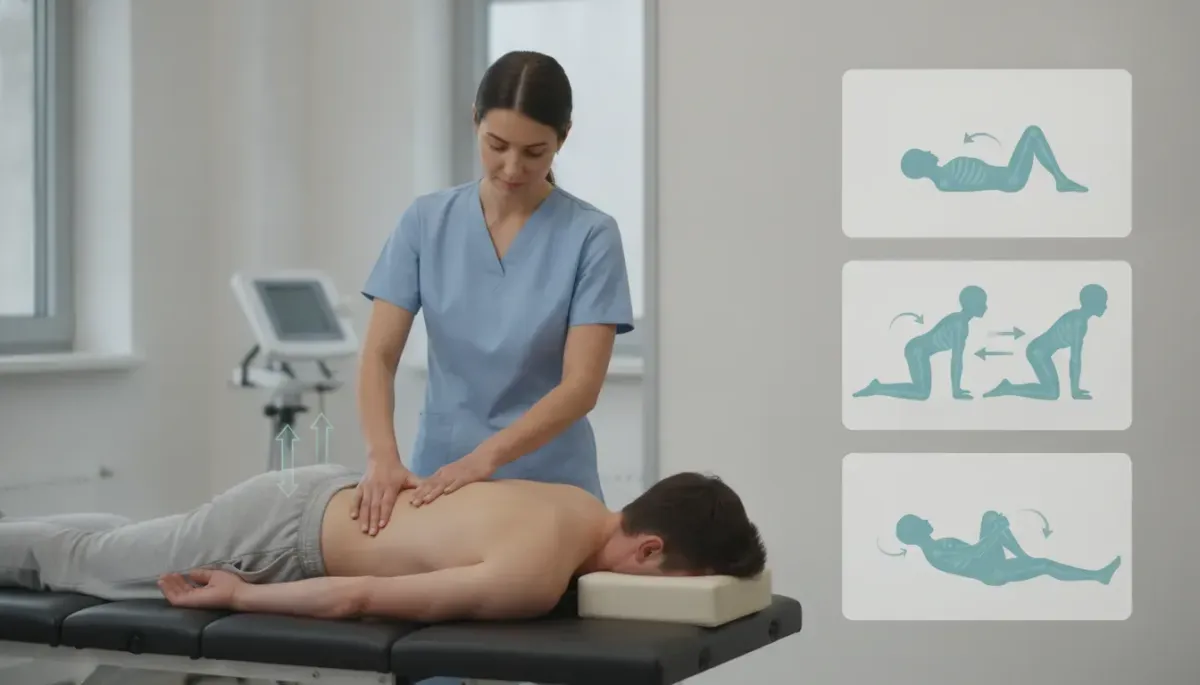
Chiropractic Adjustment: Gentle Lower Back and Hip Exercises That Support Recovery
A chiropractic adjustment can be part of a broader plan to improve mobility, reduce stiffness, and help patients move with less discomfort. For many people, the best results come from combining a chiropractic adjustment with simple lower back and hip exercises that support strength, flexibility, and daily function.
Lower back and hip pain often show up together. Tight hips can increase stress on the low back, while weak glutes and a stiff core can make everyday movements feel harder than they should. A well-chosen exercise routine can help protect the progress made after a chiropractic adjustment and may also make future flare-ups less likely.
This guide explains how these movements help, which exercises are commonly useful, what mistakes to avoid, and when to pause and get medical advice.
Table of Contents
🧠 Why lower back and hip work matters after a chiropractic adjustment
🤸 Key movement types that pair well with a chiropractic adjustment
🌿 Lifestyle habits that help the effects of a chiropractic adjustment last longer
🏁 Takeaway for patients considering a chiropractic adjustment
🧠 Why lower back and hip work matters after a chiropractic adjustment
A chiropractic adjustment is often used to improve joint motion and reduce restriction in the spine or surrounding areas. But better movement usually needs reinforcement. If tight muscles, weak stabilizers, or poor movement habits stay the same, the body can drift back into the same pattern.
That is why lower back and hip exercises matter. They can help patients:
Improve mobility in the spine and hips
Strengthen glutes, hamstrings, and core muscles
Reduce strain on the lower back during daily activity
Support posture and movement quality
Build confidence after pain or inactivity
For a broader overview of what patients should know, this guide on chiropractic adjustment and spine health adds helpful context.
🩺 Who may benefit from this kind of routine
A support routine after a chiropractic adjustment may be useful for patients dealing with:
General lower back stiffness
Hip tightness that affects walking, bending, or standing
Mild mobility loss after inactivity
Weak glutes or limited core control
Recurring discomfort linked to daily movement patterns
It may also fit people who want preventive care, not just pain relief. Some patients seek a chiropractic adjustment because they want to move better before symptoms become more limiting.
That said, exercise should match the person. Modifications matter. A routine that feels productive for one patient may feel too aggressive for another.
🤸 Key movement types that pair well with a chiropractic adjustment
The most helpful routines usually include a mix of mobility, stretching, and strength work. That combination addresses both stiffness and support.
Spinal mobility
Gentle spinal motion can help patients reconnect with comfortable movement. One common example is moving between rounded and extended back positions on hands and knees. This can encourage awareness, reduce stiffness, and warm up the area without impact.
Hip opening stretches
Hip rotation and glute stretches can be especially helpful when lower back pain is tied to tight hips. Figure-four positions, cross-body pulls, and gentle knee-to-side stretches may reduce tension around the glutes and outer hip.
Hamstring flexibility
Tight hamstrings can increase stress on the pelvis and low back. Straight-leg stretching done within a comfortable range may help restore balance.
Core and pelvic control
Simple pelvic pressing or flattening movements can train the body to keep the lower back supported. This matters because some patients overuse the low back when the core is not doing enough.
Glute strengthening
Bridges, clamshell-style movements, side leg raises, donkey kickbacks, and fire-hydrant motions often target the glutes and hips. Stronger glutes can reduce low back overload and improve everyday mechanics.
Back extensor strengthening
Prone upper-body lifts, alternating arm-and-leg raises, and similar controlled exercises can build endurance in the muscles that support posture and spinal stability.
✅ A simple framework patients can follow
After a chiropractic adjustment, many patients do best with a routine that follows this order:
Start with gentle mobility
Use easy spinal and hip movements to warm up.Add low-intensity stretching
Work into a stretch gradually, stopping before pain.Finish with controlled strength work
Focus on glutes, core, and hip stabilizers.
A practical session may include:
1 to 2 spinal mobility drills
2 to 4 stretches for hips, hamstrings, and glutes
3 to 5 strengthening movements for glutes, core, and back support
The key is not intensity. The key is consistency and control.
⚠️ Common mistakes that can slow progress
Even a good routine can become unhelpful if patients push too hard or move carelessly. These are some of the biggest mistakes after a chiropractic adjustment:
Stretching into pain
A stretch should feel like tension, not sharp pain.Forcing the same range of motion as someone else
Bodies differ. Progress should be personal.Using momentum instead of control
Swinging through movements can reduce benefit and increase irritation.Overarching the low back during bridges or extension work
The goal is to use the glutes and core, not jam the lower spine.Ignoring breathing
Holding the breath can increase tension and make movement feel harder.Skipping the hips and only treating the back
Hip stiffness often contributes more than patients realize.
Patients with recurring posture-related strain may also benefit from improving everyday habits, such as sitting and driving position. This article on driving posture and spine protection is especially relevant for anyone spending long hours in the car.
📅 How often should patients do these exercises?
Frequency depends on symptoms, goals, and the care plan around a chiropractic adjustment. In general:
Mobility and gentle stretching may be done more regularly if they feel good
Strength work often works best when done consistently but with enough recovery to avoid overloading sore tissues
Progress should be gradual, especially after pain, inactivity, or recent flare-ups
If a patient feels worse during or after the routine, the volume, range, or exercise selection may need to change.
🚨 When not to rely on exercise alone
A chiropractic adjustment and exercise routine can be helpful for many common movement problems, but some symptoms need prompt medical evaluation. Patients should seek professional guidance if they have:
Severe or worsening pain
Numbness, tingling, or weakness that is spreading
Loss of bowel or bladder control
Fever, unexplained weight loss, or recent trauma
Pain that makes normal standing or walking impossible
For general low back information, the National Institute of Neurological Disorders and Stroke offers a solid overview, and the NHS back pain guide is another practical public resource.
🌿 Lifestyle habits that help the effects of a chiropractic adjustment last longer
Exercise is important, but it is only one piece of the puzzle. Patients often get better results from a chiropractic adjustment when they also improve the daily habits that keep irritating the area.
Helpful habits may include:
Changing positions often during the day
Walking regularly to reduce stiffness
Improving workstation and seated posture
Managing stress that contributes to muscle tension
Prioritizing sleep and recovery
For patients whose symptoms seem tied to tension and daily stress, this resource on stress and back or neck pain may be useful.
🏁 Takeaway for patients considering a chiropractic adjustment
A chiropractic adjustment is often most effective when paired with the right movement plan. Gentle spinal mobility, hip stretching, hamstring work, glute strengthening, and core control can all help support better function and longer-lasting relief.
The biggest priorities are simple:
Move within a comfortable range
Focus on control instead of intensity
Train both the hips and the lower back
Be consistent
Patients looking for care options, office information, or patient experiences can visit the new patients page.
❓FAQ
What does a chiropractic adjustment do for lower back pain?
A chiropractic adjustment is intended to improve joint motion and reduce restriction in the spine or related areas. For some patients, that can help reduce stiffness and improve how the body moves. The best outcomes often include exercises that support the new movement pattern.
Can hip tightness make a chiropractic adjustment less effective?
Hip tightness can continue to place stress on the lower back, which may limit how long improvements last. That is why many patients benefit from combining a chiropractic adjustment with hip mobility and glute strengthening work.
Are stretches enough after a chiropractic adjustment?
Not always. Stretching can improve flexibility, but strength and control matter too. Glute, hip, and core exercises can help maintain the benefits of a chiropractic adjustment more effectively than stretching alone.
Should exercises after a chiropractic adjustment hurt?
No. Mild effort and gentle stretching sensation can be normal, but sharp or increasing pain is a sign to stop. Movements should stay in a comfortable range and should not aggravate symptoms.
Which muscles are most important to strengthen for lower back support?
The glutes, hamstrings, core, and hip stabilizers are often key. When these muscles do their job well, the lower back does not need to compensate as much during standing, bending, or walking.


