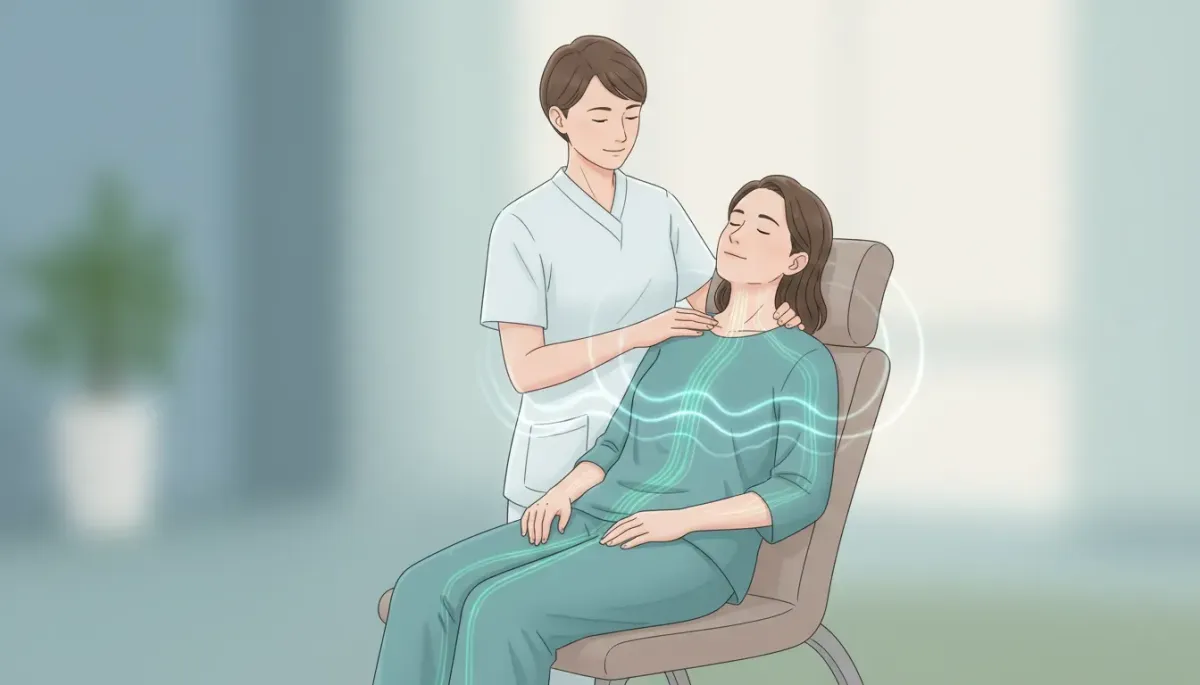
Chiropractic Adjustment: Daily Habits to Reduce Stress and Anxiety (Nervous System Support)
Chiropractic adjustment can be a helpful part of care for many people, especially when stress and muscle tension seem to move together. But lowering stress and anxiety often takes daily, practical habits that help the body shift out of a chronic “alarm” state. This guide explains what that stress response is, why modern life keeps it turned on, and which small routines can help you feel calmer and function better.
Table of Contents
🧠 What stress and anxiety really are (and why they can help)
🌅 Habit #2: Start the day with a calmer choice (not automatic scrolling)
📱 Habit #4: Limit “trigger loops” from constant news and feeds
✅ Habit #5: Finish tasks to give your nervous system a completion signal
🔍 Habit #8: Use big picture, small picture (prioritize what matters)
📝 Habit #9: Brain dump, journal for clarity, then act on a small list
🧠 What stress and anxiety really are (and why they can help)
Stress is the body’s activation response when it senses a threat. It can include faster breathing, a quicker heart rate, and a burst of energy. This is meant to help you respond and act.
An important mindset shift is this: anxiety is not only a “bad feeling.” It can also act like performance-mode energy that motivates problem-solving. The goal is not to eliminate stress altogether. The goal is to stop staying stuck in it for too long.
⚠️ Why modern stress feels harder to manage
Unlike older, more immediate problem situations, many today’s stressors are not physical problems that can be solved in a single burst of action. Work deadlines, ongoing worry, social media, and constant news can keep your system activated without giving your body a clear “we handled it” signal.
When activation does not get resolved, stress can become chronic. That is when it starts to harm sleep, mood, and focus.
🏃 Habit #1: Add movement to burn off activation
One of the most practical ways to reduce stress is to move your body daily. Movement helps discharge built-up stress activation so it does not linger.
Effective options include:
Brisk walking or a bike ride
Aerobic activity where breathing gets harder
Short breaks such as stretching, wall sits, or a brief walk during the day
Start small. Even five minutes can be a meaningful first step if consistency is the focus.
🌅 Habit #2: Start the day with a calmer choice (not automatic scrolling)
How a day begins can set the tone for everything that follows. Many people start their morning with phone scrolling, news, and caffeine. That pattern can increase alertness and agitation, making it easier to feel on edge.
A stress-friendly alternative is to choose a grounding or uplifting activity first. Examples include:
Reading scripture or other calming reading
Journaling
Prayer
Uplifting music
Any routine that feels steady and intentional
The key is simple: do something you choose first, before external information and stimulation take over.
☕ Habit #3: Reconsider caffeine if anxiety is a problem
Caffeine is widely used to feel alert, but it can also increase agitation and worsen anxiety for some people. It may affect sleep and anxiety for up to about 48 hours. For readers who feel anxiety is getting worse, one approach is to try removing or reducing caffeine for a short trial period (for example, several days) and notice what changes.
This is especially relevant if chiropractic adjustment appointments are part of a bigger goal, such as improving how your body feels day to day. Better sleep and steadier nervous system function make recovery and daily comfort easier.
Practical tip: If eliminating caffeine is too big of a step, taper gradually. The aim is to make change sustainable.
📱 Habit #4: Limit “trigger loops” from constant news and feeds
Modern media can keep your threat system active. Instead of offering problem-solving opportunities, it can create a sense of danger without a clear action step. That can pull your attention into an endless activation cycle.
A helpful boundary strategy is:
Avoid starting the day with news
Check news at set times rather than on impulse
Focus on what you can act on and let the rest stay outside your control
Ask a simple question before consuming media: “What kind of day do I want to live today, and what first step supports that?”
✅ Habit #5: Finish tasks to give your nervous system a completion signal
Stress can reduce when your body experiences resolution. That often happens when something actually gets done. If worry is about an assignment or a concrete item, completing it helps your system shift from “threat” to “handled.”
Because chronic anxiety can be fed by a mind that never feels “done,” make completion visible. Helpful options:
Use checklists and check items off
Write down “done” even for tasks not originally listed
Create a small marker that tells your brain the job is complete
This matters for any patient trying to feel better overall, including after chiropractic adjustment, because a calmer nervous system supports comfort, sleep, and daily functioning.
🧘 Habit #6: Set an “off time” for mental carrying
Carrying worries mentally all day can keep the activation system running. A useful habit is to consciously decide when you will set work or emotional heaviness down.
Examples include:
Turning off notifications after a certain hour
Creating boundaries for work contact
End-of-day rituals such as a short prayer, reflection, or a clear “I did my best” moment
The goal is not to ignore responsibilities. It is to keep them in the right time window so they do not bleed into your rest time.
⏳ Habit #7: Monotask and slow down in micro-moments
Multitasking can feel productive, but it can also overload attention and keep your body in high alert. Switching tasks rapidly can mimic unresolved threat signals.
Try “one thing at a time” and add brief resets. Options:
Close extra tabs and focus on one task
Set short intervals for concentration
Take a minute every so often to breathe and clarify priorities
Micro-skill: Notice where you are and what you are doing right now. That simple awareness can help your nervous system settle back toward safety.
🔍 Habit #8: Use big picture, small picture (prioritize what matters)
Stress is not automatically the problem. Chronic unresolved stress is the problem, especially when the brain feels overwhelmed by too many triggers and urgent items at once.
A practical framework is:
Big picture: decide what is truly important
Small picture: pick one or two next actions that move priorities forward
When “everything is urgent,” the mind may stall or shut down. Sorting priorities reduces that confusion.
📝 Habit #9: Brain dump, journal for clarity, then act on a small list
Many people carry anxiety as a noisy pile of tasks and worries. One effective daily habit is a “brain dump”:
Write down everything on your mind
Highlight a short list of the most important items
Choose one or two actions to work on
Journaling can also help with “locus of control,” focusing attention on what can be influenced now and gently releasing what cannot.
😴 Habit #10: Protect sleep and learn to say no
Good sleep supports the executive functioning part of the brain that helps with decision-making and problem-solving. When sleep is poor, anxiety often becomes harder to manage.
For readers who struggle with anxiety at bedtime, the approach is to take one small step toward better sleep rather than forcing a perfect routine overnight.
Also consider boundaries. Saying no to extra commitments can make it easier to get enough rest and reduce the need for caffeine and constant stimulation.
🌿 Bonus habit: Add nature (even in small doses)
Nature can be soothing for anxiety. It does not have to mean a long trip. Options include:
A short walk outside
Looking at the sky
Watering a plant or caring for a pet
Visiting a park
Viewing nature content that feels calming
🌙 Evening wind-down: give your body time to transition
When days are too full, the nervous system can stay activated into bedtime. A wind-down routine signals the body that rest is coming.
Ideas include:
Turning off the phone
Taking a warm bath or shower
Reading something light or calming
Even a few minutes can help. Consistency is more important than length.
🛑 Common mistakes to avoid
Trying to “meditate away” everything instantly: gradual routines are more realistic.
Using busyness instead of resolution: constantly doing more can keep anxiety running.
Checking stressful media first thing: it can set a threatening tone before you feel grounded.
Leaving tasks in your head: unresolved “open loops” can keep activation alive.
Overloading the day: too many priorities can lead to shutdown or overwhelm.
🔎 How this connects to chiropractic adjustment
For many chiropractic patients, physical discomfort and tension can be influenced by stress level, sleep quality, and daily activation. The habits above support the nervous system and can help you feel more comfortable and recover better between appointments.
Chiropractic adjustment is one part of a broader plan. Daily nervous system support helps create conditions where your body can regulate more effectively.
✅ Next steps: a simple 7-day starter plan
Day 1: Choose a calm morning routine (one small activity before scrolling).
Day 2: Add a 5 to 10 minute movement break.
Day 3: Set one media boundary (no news first thing, or one fixed check time).
Day 4: Use a checklist and mark completions.
Day 5: Do a 5-minute brain dump, then pick one or two priorities.
Day 6: Create a mental “off time” after work (notification boundary or short ritual).
Day 7: Improve bedtime with one small step (phone off earlier, calmer reading, or warm bath).
❓ FAQ
Can stress reduction improve how I feel after chiropractic adjustment?
Stress reduction habits can support sleep, mood, and nervous system regulation. Since anxiety and tension can affect comfort and day-to-day functioning, calmer routines may help your overall recovery experience.
What is the fastest way to calm anxiety during the day?
A practical approach is to use a short reset: breathe slowly, slow down, and focus on completing one small task or taking a brief burst of movement.
Do these habits work if anxiety includes an anxiety disorder?
The habits are designed to reduce stress levels and improve regulation. They can still be useful alongside professional care. If anxiety symptoms are severe or persistent, it is important to seek appropriate support.
Is caffeine avoidance necessary?
Not for everyone. However, caffeine can worsen agitation and affect sleep for up to about 48 hours. If anxiety is a major issue, a short trial of reducing or removing caffeine can help you learn how your body responds.
How do I stop anxiety from coming back at night?
Protect wind-down time, avoid stressful media right before bed, and set boundaries that prevent mental carryover. Even small routines like turning off the phone and reading something calm can help.
What if my to-do list never feels finished?
Make completion visible. Use checklists, write “done” items, and keep a short highlighted priority list. This gives your brain a tangible completion signal.
📌 Takeaway
Chiropractic adjustment can support the body mechanically, but daily nervous system habits help reduce the “alarm” state that keeps stress chronic. Add movement, choose calmer mornings, reduce trigger loops, finish tasks, protect sleep, and simplify priorities. Over time, these routines can help turn stress into manageable energy rather than an ongoing burden.


