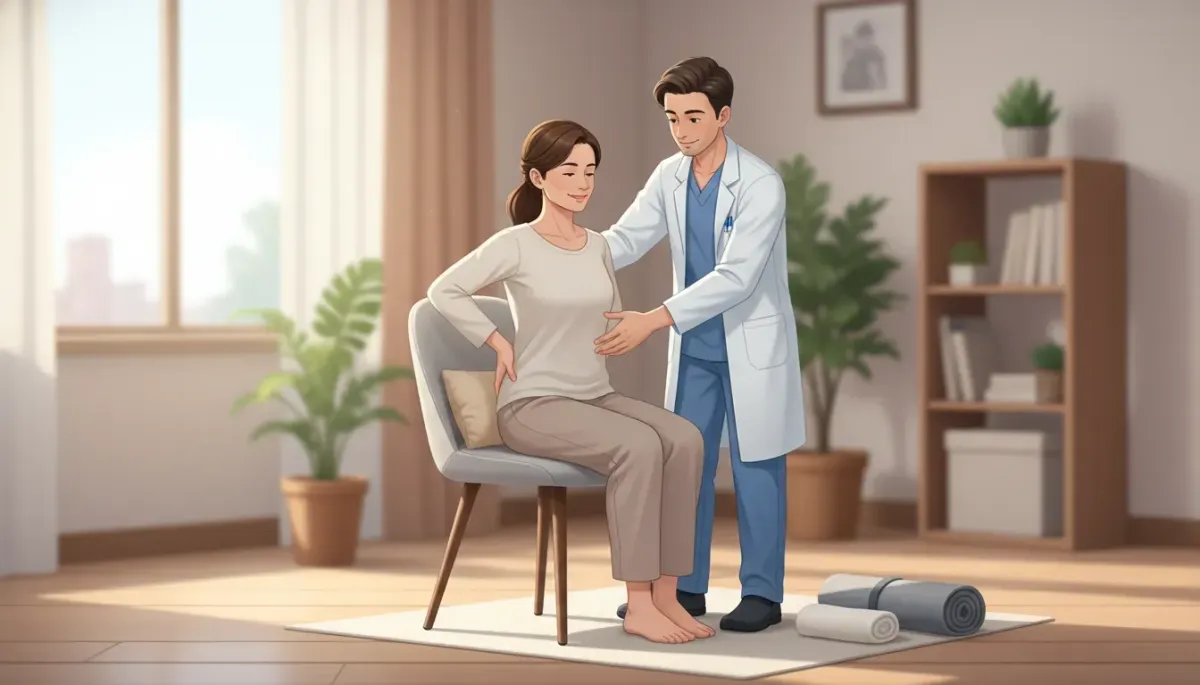
Chiropractic Adjustment for Lower Back Pain: What Helps, What to Do at Home, and When to Get Checked
Lower back pain can make sleep harder, work more uncomfortable, and daily movement feel like a chore. For many people, a chiropractic adjustment is one part of a natural, non-drug approach to getting relief. But it is usually not the only piece that matters.
The most effective plan often combines a chiropractic adjustment with practical home strategies such as positioning, movement, support while sitting, and gradual strengthening. For patients trying to avoid relying on pain medication, injections, or more invasive treatment, knowing how these pieces fit together can make a big difference.
This guide explains how a chiropractic adjustment may fit into lower back pain care, what can be done at home right away, and which warning signs mean it is time to get professional help.
Table of Contents
❄️ Heat, ice, and simple relief options before or after a chiropractic adjustment
🤸 Gentle movements that may pair well with a chiropractic adjustment
✅ A practical checklist for patients considering a chiropractic adjustment
🩺 What a chiropractic adjustment is meant to do
A chiropractic adjustment is commonly used to improve movement in areas of the spine that feel restricted or irritated. For lower back pain, the goal is often to reduce stress on stiff joints, improve motion, and help the body move more comfortably.
Patients often think of a chiropractic adjustment as the entire solution. In reality, back pain is often influenced by more than one factor, including irritated joints, muscle tension, poor sitting setup, weak support muscles, and reduced movement from trying to “rest” the back too much.
That is why a good back pain plan usually looks broader than a single treatment. It should also address:
Sleep comfort
Sitting posture and support
Gentle pain-relieving movement
Progressive strength training
Activity modification instead of total rest
❄️ Heat, ice, and simple relief options before or after a chiropractic adjustment
Many patients seeking a chiropractic adjustment also want something they can do at home the same day. Ice and heat are common starting points.
Ice
Ice can be a useful first option, especially when the back feels irritated or flared up. A cold pack or bag of ice wrapped in a towel can be placed over the painful area for about 15 to 20 minutes. The goal is not extreme cold. It is simply to cool the area until the skin becomes numb, then remove it and repeat after a break.
Heat
If ice does not help, heat may feel better. A warm pack, heating pad, or homemade rice pack can be used for 15 to 30 minutes. Heat should feel soothing, not hot enough to burn the skin.
Not everyone responds the same way. Some people feel better with ice, some with heat, and some with neither. That does not automatically mean the pain is more serious. It just means another strategy may be more useful.
🛏️ Best sleeping positions for lower back pain
Sleep problems are one of the biggest reasons patients look for a chiropractic adjustment. When back pain disrupts sleep, everything else tends to feel worse the next day.
Two simple pillow changes can help:
Side sleeping: place a pillow between the knees to reduce strain through the hips and lower back.
Back sleeping: place one or more pillows under the knees to slightly bend the legs and reduce tension in the lower back.
These positions do not replace a chiropractic adjustment, but they can make nights more manageable while the back calms down.
🪑 How sitting can make lower back pain worse
Many lower back pain flare-ups are aggravated by poor chair support. A chiropractic adjustment may help restore motion, but if a person keeps sitting in a way that stresses the back, the problem may keep returning.
The key details are simple:
Sit with the hips all the way back in the chair
Use the backrest instead of slouching forward
Add a cushion if the chair is hard or poorly padded
Avoid assuming that a donut cushion is best for low back pain
Donut cushions are generally more appropriate for tailbone discomfort, not routine lower back pain.
Patients who spend a lot of time driving may also benefit from improving their car setup. This driving posture spine checklist explains how small seat and posture changes can reduce strain and lower the need for repeated flare-up care.
🤸 Gentle movements that may pair well with a chiropractic adjustment
Movement often helps more than complete rest. That surprises many people. When the back hurts, it is natural to want to stop everything. But too much inactivity can let muscles weaken and joints become even stiffer.
Knees to chest
One commonly tolerated position is bringing the knees toward the chest while lying on the back or side. This can reduce pressure through the lower back and create a gentle stretch. Some people feel relief by holding the position for several minutes and adjusting how much they pull.
Supported hanging
For people who are able to do it safely, hanging from a sturdy bar can help unload the lower back. Tightening the abdominal muscles while hanging may increase the benefit by reducing arching and helping take pressure off the spine.
These movements are not right for everyone. If a position clearly worsens pain, it should be stopped.
🚶 Why complete bed rest is usually a mistake
One of the most common misconceptions is that back pain should be treated with as little movement as possible. In many cases, that backfires. A chiropractic adjustment may help with joint restriction, but ongoing recovery often depends on keeping the body moving within tolerable limits.
Helpful guidance includes:
Keep walking or moving if it feels manageable
Scale back chores instead of stopping all activity
Take sitting breaks when needed
Avoid pushing through clearly aggravating pain
The goal is modified activity, not total shutdown.
Stress can also feed into tension and persistent pain patterns. Patients dealing with recurring discomfort may find useful support in this resource on stress and back pain, which covers posture, sleep, mobility, and whole-body recovery habits.
🏋️ Why strengthening matters as much as pain relief
A chiropractic adjustment can help calm a flare-up, but many recurring back issues are linked to weakness or imbalance in the muscles that support the spine. That is why strengthening is such an important long-term step.
Patients often do well when they:
Start with exercises they can tolerate
Avoid movements that sharply aggravate symptoms
Progress gradually rather than doing too much too soon
Focus on consistency over intensity
If pain keeps returning after temporary relief, the issue may not be a lack of treatment. It may be a lack of follow-through with movement and strength.
💆 Can massage help along with a chiropractic adjustment?
Yes, massage may help reduce stiffness and make the lower back feel more comfortable, especially when muscles around the painful area are tight. A chiropractic adjustment and massage are often seen as complementary rather than competing options.
Still, massage is usually best viewed as one part of a bigger plan. It may help improve comfort, sleep, and short-term mobility, but recurring lower back pain often needs more than soft tissue relief alone.
For broader patient education on recovery strategies and ongoing care options, the chiropractic wellness blog offers more guidance on stretching, stress relief, and healthy back habits.
⚠️ When lower back pain needs professional attention
Home care has limits. If lower back pain is becoming more frequent, lasting longer, or spreading into the leg or foot, it may be time for an evaluation. In those situations, a chiropractic adjustment may still be part of care, but the bigger need is finding out why the pain is escalating.
Professional help is especially important when:
Pain keeps coming back and each episode is worse
Symptoms are lasting for weeks instead of days
Sleep is consistently disrupted
Pain radiates into the leg or foot
Normal daily activity is becoming difficult
For general information on low back pain care, the National Institute of Neurological Disorders and Stroke and the MedlinePlus back pain overview are useful references.
✅ A practical checklist for patients considering a chiropractic adjustment
Someone considering a chiropractic adjustment for lower back pain can use this simple checklist:
Try ice first, then heat if ice does not help
Use pillows to improve sleeping comfort
Fix chair support and avoid slouching
Keep moving within tolerance
Use gentle relief positions like knees to chest if comfortable
Do not rely on rest alone
Build toward strengthening as pain settles
Seek help if symptoms keep returning or begin traveling down the leg
📌 Final takeaway
A chiropractic adjustment can be a useful option for lower back pain, especially for patients who want a natural approach. But the best results usually come from combining a chiropractic adjustment with smart self-care, better positioning, steady movement, and strength work over time.
Patients who are just getting started with care can review new patient information to understand what early visits and next steps may involve.
❓ FAQ
Is a chiropractic adjustment enough to fix lower back pain?
Usually not by itself. A chiropractic adjustment may help improve movement and reduce discomfort, but lasting improvement often also depends on sleep setup, activity changes, and strengthening.
Should ice or heat be used before a chiropractic adjustment?
Either may help, depending on the person. Ice is often a reasonable first option for a flare-up. If it does not help, heat may be more comfortable. Neither works for everyone.
Can a chiropractic adjustment help if pain goes into the leg?
It may be part of care, but radiating pain should be evaluated promptly because it can suggest a more progressed back issue that needs closer assessment.
Is it better to rest or stay active with lower back pain?
In many cases, gentle activity is better than complete rest. Total inactivity can lead to stiffness and weakness. Movement should be modified to stay within a tolerable range.
Do pillows really help lower back pain at night?
Yes, they often can. A pillow between the knees for side sleeping or under the knees for back sleeping may reduce tension in the lower back and improve comfort.


