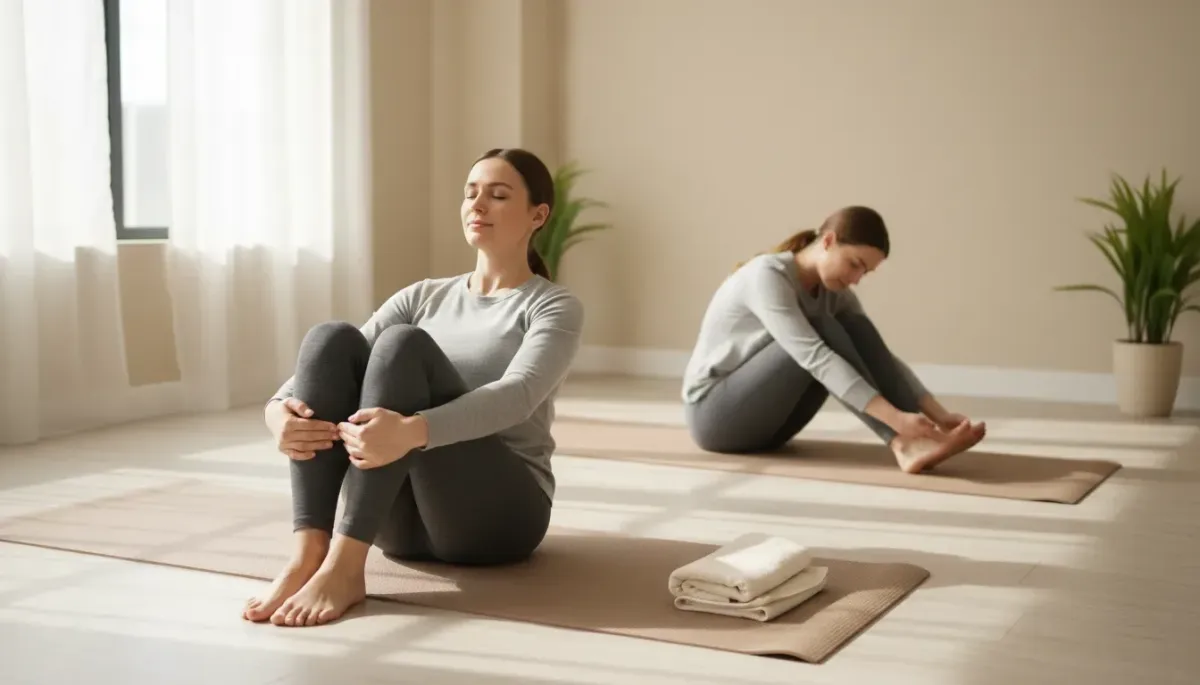
Beginner Lower Back Stretches: A Safe Routine for Stiffness and Spinal Flexibility (for Chiropractic Adjustment Patients)
When a chiropractor patient is dealing with stiffness, tight hamstrings, or a sore low back, gentle stretching can be a helpful complement to care. This guide explains a beginner-friendly lower back stretching routine that supports comfort and mobility. It also clarifies what to do, what to avoid, and how to keep stretches safe, especially after a chiropractic adjustment.
Key idea: Use stretching to feel relaxed and more mobile, not to force range. Stop any movement that causes discomfort.
Table of Contents
🧠 Why lower back stretches matter (especially after chiropractic adjustment)
📌 A beginner lower back stretching routine (about 15 minutes)
⚠️ Common mistakes that can make stretching less effective (or uncomfortable)
💡 What to do if you have questions after a chiropractic adjustment
❓ FAQ about lower back stretching for stiffness and chiropractic adjustment
🧠 Why lower back stretches matter (especially after chiropractic adjustment)
Stiffness in the low back often comes with tight surrounding muscles and limited joint motion. Gentle, controlled stretching can help improve flexibility in tissues that commonly influence back comfort, including:
Hamstrings, which can contribute to lower back tightness when they are restricted
Buttock muscles (such as the piriformis area), which can feel tight and tug on the back region
Hip flexors, important for hip mobility that affects how the pelvis moves
Lower back joints and surrounding structures, supported by easy rotations and extensions
For chiropractic care, flexibility can help you move more comfortably between visits. Stretching also supports relaxation, which many people find reduces the “tight and guarded” feeling after treatment.
✅ Who this routine is for (and when to be cautious)
This stretching routine is designed for healthy adults and general stiffness. It is not intended as treatment for a specific diagnosed back condition.
Good fit
Beginner to intermediate flexibility training
Low back stiffness and reduced mobility
Tight hamstrings or buttock tightness
People who want gentle movement-based stretching while lying on the floor
Be cautious
If there has been a recent disc injury, stretches that pull the knee strongly toward the chest may not be appropriate.
If any stretch creates pinching, sharp pain, or worsening symptoms, stop immediately.
🧘 Safety checklist before you start
These rules keep stretching safe and effective:
Comfort first: stretches should feel “comfortable” and relaxing, not painful.
Stop with discomfort: if discomfort appears, cease the movement right away.
Use a towel if needed: if hamstrings are tight, a towel around the heel can make the stretch more manageable.
Keep breathing: slow breathing helps you relax into the position.
Avoid nerve-tension stretch: for hamstring stretches, keep the foot relaxed (toe pointed) and avoid flexing the foot toward you.
🗓️ How often and how long to stretch
A practical approach for general flexibility:
Frequency: 2 to 3 days per week (minimum).
Timing for static holds: hold stretches for 10 to 30 seconds when applicable.
Training style: include both mobility movements (gentle rocking and rotation) and comfortable holds.
📌 A beginner lower back stretching routine (about 15 minutes)
All exercises below are performed on a firm surface while lying down unless otherwise noted. Move slowly. Small improvements in range over time are the goal.
1) Gentle pelvic tilts (mobility warm-up)
Lie on your back with knees bent and feet flat.
Arms by your sides, knees together.
Exhale and gently roll the pelvis backward, flattening the low back toward the floor.
Inhale and return through to neutral.
Do several controlled tilts, keeping the motion small and comfortable.
2) Easy lumbar rotations (side-to-side knee movement)
From the same position (on your back, knees bent), let both knees fall slightly to one side.
Keep at least one foot in contact with the floor.
Return to center and repeat to the other side.
If comfortable, gradually increase the range with each breath.
3) Knee-to-chest stretch (one leg at a time)
Bring one knee toward the chest.
Extend the other leg along the floor if it feels comfortable, or keep that knee bent if needed.
Hold behind the thigh and gently draw the leg in.
If you extend the leg upward, keep the toe pointed and maintain a slight knee bend if required for comfort.
Breathe slowly, then release and repeat on the other side.
Important: If you recently had a disc injury, knee-to-chest style stretches may need to be modified. Ask your chiropractor or clinician for the safest alternatives.
4) Hamstring stretch with a towel (adjustable intensity)
Extend the leg out and bring the leg up toward the ceiling if comfortable.
Use hands behind the thigh or a towel around the heel to help guide the leg.
Keep the towel positioned around the heel rather than the forefoot.
Maintain toe pointed to avoid making the stretch overly nerve-sensitive.
Lower gently and repeat on the other side.
Why it matters: tight hamstrings and a tight lower back often occur together, so this can be a key “comfort unlock” stretch.
5) Glute bridge (extension plus glute activation)
With feet on the floor, arms by your sides, lift by pressing through the heels.
Lift the pelvis to a height that feels comfortable.
Avoid lower back pinching. Range should feel supportive, not sharp.
Lower with control and repeat a couple times.
Benefit: bridges provide a gentle back extension while working glutes, which can help support posture and pelvic control.
6) Piriformis (buttock) stretch: figure-four style
Cross one knee over the other.
Keep the lower leg supported and, if comfortable, lift both legs slightly off the ground.
Draw the legs in toward the chest to increase intensity, stopping before discomfort.
Breathe into the stretch, feeling it in the middle of the buttock area.
Release and switch sides.
Reminder: if disc injury is recent, knee-toward-chest intensity may need modification.
7) Single-leg lower back rotation (opens joints on one side)
From lying on your back, place one hand to guide the outside of the opposite thigh.
Allow the knee to cross your body gently toward the opposite side.
Extend the other arm out for balance.
Keep the shoulder down as you rotate.
Use controlled breaths and rotate to a comfortable end range, then return to center.
Repeat on the other side.
8) Hip flexor stretch (side-lying leg pull-back)
Lie on your right side with head supported (forearm or pillow).
Hold the front of the shin if possible (use a towel if needed).
Bring the leg back behind the body, focusing on the stretch in the front of the hip.
Keep it comfortable and release, then repeat on the other side.
This can be especially useful for people who sit a lot, since hip flexor tightness can affect how the pelvis moves and how the low back feels.
9) Prone “cobra-like” extension (gentle upper-body lift)
Lie on your stomach with elbows wide and head down.
Press through the forearms to lift the upper body slightly.
Keep the shoulders away from the ears.
Keep the pubic bone on the floor to avoid stressing the low back.
Lift and lower slowly, repeating a couple times.
If extending causes pinching in the low back area, reduce range.
Neck tip: keep the chin tucked so the neck does not overextend.
10) Cat-curl stretch (spine flexion with breathing)
After lowering down, move into a cat-curl position by drawing the bottom back toward the heels.
Relax the back and allow shoulder blades to separate if the arms are extended.
Breathe in and out, sinking gently into the position.
Return to neutral and pause with relaxed breathing.
11) Deep belly breathing and relaxation
Sit or lie comfortably.
Place a hand on the belly and breathe deeply so the belly rises on inhale and softens on exhale.
Focus on relaxing the bottom and low back as you exhale.
⚠️ Common mistakes that can make stretching less effective (or uncomfortable)
Stretching into pain: stretching should be comfortable. Sharp pain or worsening symptoms mean stop.
Forcing range quickly: increase intensity gradually with breathing and control.
Flared nerve sensitivity during hamstring stretches: keep the toe pointed rather than flexing the foot toward you.
Ignoring low back pinching during bridges: reduce lift height and focus on comfort.
Neck overextension in prone work: keep the chin tucked to protect the neck.
💡 What to do if you have questions after a chiropractic adjustment
Every body responds differently to treatment. To keep stretching aligned with care:
If soreness changes significantly after care, reduce intensity and focus on gentle mobility and breathing.
For any recent injury or diagnosed condition, get clinician guidance on which movements are safest.
Stop and get advice if stretches consistently reproduce symptoms.
🎯 Takeaway: build mobility with comfort, not pressure
A beginner lower back routine can support comfort by combining pelvic mobility, controlled rotations, hamstring and buttock stretching, gentle extension, and relaxation breathing. For chiropractic adjustment patients, the goal is simple: feel better movement and reduced stiffness without forcing end range.
❓ FAQ about lower back stretching for stiffness and chiropractic adjustment
Is stretching safe after a chiropractic adjustment?
In general, gentle stretching for comfort can be supportive after chiropractic care. The safest rule is to use only comfortable ranges and stop any movement that causes discomfort or pinching. If there is a recent disc injury or a specific diagnosis, ask a clinician which stretches are safest for your situation.
What should lower back stretching feel like?
It should feel relaxing and manageable, often like a light-to-moderate stretch in the back and surrounding muscles. There should be no sharp pain or worsening symptoms. If something feels “wrong,” stop that stretch and simplify the position.
Should hamstring stretching be done with the toe pointed or flexed?
For nerve comfort, keep the toe pointed during the hamstring stretch and avoid flexing the foot toward you. Using a towel around the heel can also help control intensity.
How often should beginners stretch their lower back?
A common starting point is 2 to 3 days per week. Static holds are typically maintained for 10 to 30 seconds, while mobility movements can be done gently with slow breathing.
What if knee-to-chest stretches feel uncomfortable?
Ease off immediately. For some people, stronger knee-to-chest positions are not appropriate, especially after a recent disc injury. A clinician can suggest safer alternatives or modified ranges.


