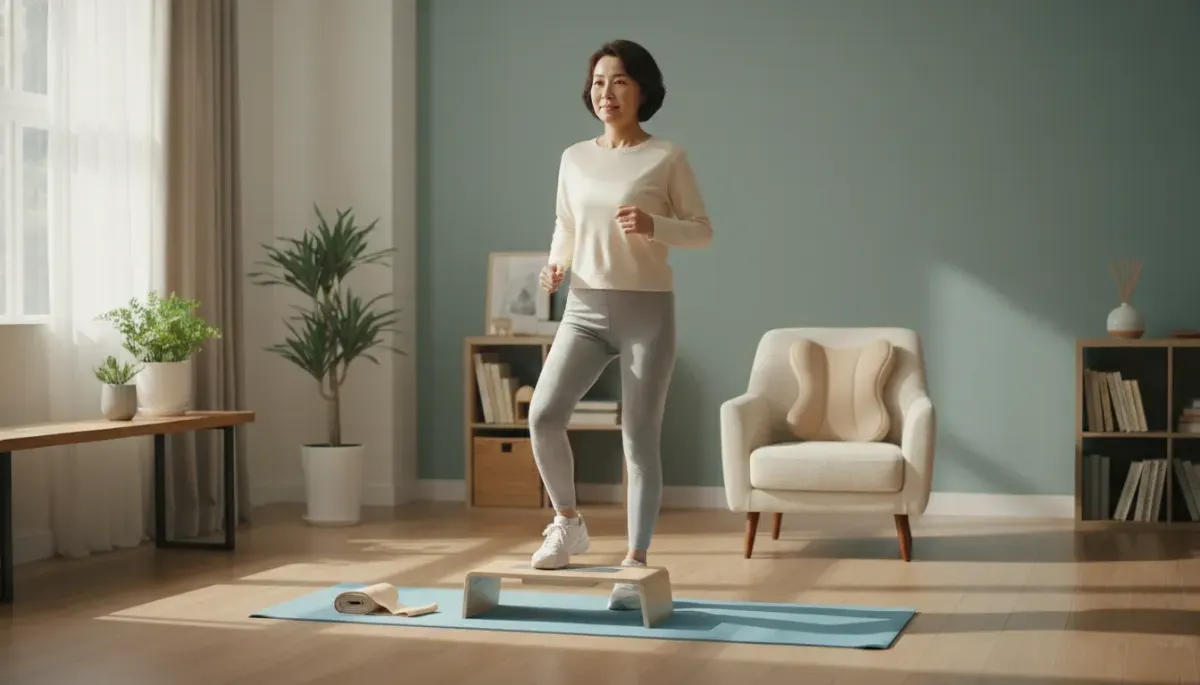
Chiropractic Adjustment Support: A Safe 20-Minute Beginner Workout for Balance, Cardio, and Strength
A chiropractic adjustment can be one part of feeling better, moving more comfortably, and getting back to daily activity. But adjustment visits are only one piece of the puzzle. Gentle movement at home also matters, especially for beginners, older adults, and anyone rebuilding confidence after stiffness, inactivity, or recurring aches.
This guide explains a simple 20-minute full-body routine that pairs well with a chiropractic adjustment plan. It combines warm-up, balance work, low-impact cardio, upper-body strength, and stretching. The routine is designed to be approachable, adaptable, and realistic for people who need a safer way to move.
For a broader overview of how a chiropractic adjustment supports spine health, it helps to start there and then add a manageable exercise habit like the one below.
Table of Contents
✅ Why this kind of exercise works well with a chiropractic adjustment
Many patients want to know what to do between appointments. A chiropractic adjustment may help improve comfort and mobility, but long-term results usually depend on what happens outside the clinic too.
A short routine like this can help support:
Balance, which is especially important with aging or deconditioning
Coordination, through controlled opposite arm and leg patterns
Cardiovascular activity, without high impact
Upper-body strength, using light weights, water bottles, or bodyweight tension
Joint mobility, through warm-up and cooldown movements
That makes this style of session useful for many people who are trying to stay active after a chiropractic adjustment or who want a gentle home routine that does not feel overwhelming.
🧍 Who this routine is best for
This workout format fits people who need something low impact and flexible. It may be a good option for:
Beginners returning to exercise
Older adults who want a whole-body routine
People who need balance practice
Those who prefer standing exercises
Patients using movement as part of a chiropractic adjustment and recovery plan
It is also practical for anyone who does not have gym equipment. Light dumbbells can be used, but water bottles or even tight fists can work for the strength section.
Before starting any exercise plan, especially after pain, injury, dizziness, or major health changes, it is smart to check with a qualified medical professional. The CDC physical activity guidance and the National Institute on Aging exercise resources are also helpful references for older adults and beginners.
🔥 What the 20-minute routine includes
The structure is simple and easy to follow. It includes five parts:
Warm-up
Balance practice
Low-impact cardio intervals
Upper-body strength work
Cooldown stretches
This is useful because a chiropractic adjustment support routine should not focus on only one thing. People usually need a mix of mobility, stability, strength, and endurance.
🚶 Warm-up moves to prepare the body
The warm-up should gently raise the heart rate and prepare both the upper and lower body. A simple sequence includes:
Walking in place
Side steps with arm lifts
Large arm circles while stepping side to side
Hip hinge practice with a long spine and soft knees
Mini squats
These movements are helpful because they rehearse the same patterns used later in the workout. That matters for safety. Instead of jumping straight into exercise, the body gets a chance to loosen up first.
⚖️ Balance drills that build confidence
Balance training is often overlooked, but it is one of the most valuable additions to a home routine after a chiropractic adjustment. Better balance can make daily walking, turning, and stepping feel more secure.
Forward and back toe taps
Step one foot forward and lightly tap the opposite foot behind. Then reverse the pattern. This encourages controlled weight shifting and walking-like coordination.
Side step with knee lift or toe touch
Step to the side, shift body weight, and lift the opposite knee. If a knee lift feels too challenging, a toe touch is a smart modification.
Key tip: opposite arm and opposite leg patterns can feel awkward at first. That is normal. It is often easier to start with the leg movement alone and add the arm later.
❤️ Low-impact cardio moves for beginners
The cardio section uses short rounds, about 30 seconds each, to keep things manageable. That approach helps many people maintain effort without overdoing it.
Good beginner-friendly choices include:
Double mini squat with arms up
Side punches with a side step
Knee up with opposite arm lift
Arms up with turns to the right, center, and left
Each move can be scaled.
Keep both feet on the floor for lower impact
Add a heel raise for a bit more challenge
Add a hop only if balance and joint tolerance allow it
For many chiropractic patients, lower impact is the better place to begin. A chiropractic adjustment may improve motion, but that does not mean every person should jump immediately into fast or high-intensity exercise.
💪 Strength exercises that fit a home routine
The strength portion focuses on basic upper-body patterns using light resistance. These exercises are especially practical because they need little space and can be done with dumbbells, water bottles, or no equipment at all.
1. Overhead press
Press the hands or weights overhead with the core engaged and knees soft.
2. Overhead press with bicep curl
Press up, lower, then curl. This adds arm work without making the sequence too complex.
3. Bent-over row
Hinge at the hips with a long back, pull the elbows up, then lower with control.
4. Row with tricep kickback
From the hinge position, row first, then extend the arms behind to work the triceps.
These patterns can complement a chiropractic adjustment plan because they encourage posture awareness, trunk control, and everyday pulling and lifting strength.
Patients who want more age-appropriate movement ideas may also find this resource on back strength after 60 useful.
🧠 How to make the workout safer and more effective
A routine only helps if it can be done consistently. These simple guidelines make a big difference:
Clear the exercise area before starting
Keep water nearby, especially in warm conditions
Use light resistance or no weights at all if needed
Move at a personal pace, not the fastest possible pace
Breathe continuously and avoid breath-holding
Stop if pain, dizziness, or unusual shortness of breath appears
For those who tend to carry tension in the upper body after a chiropractic adjustment, these quick self-care exercises for neck and shoulder tension may also help between workouts.
⚠️ Common mistakes beginners make
Even a simple routine can go wrong if it is rushed. Watch out for these common issues:
Skipping the warm-up
Using weights that are too heavy
Trying advanced options too soon
Locking the knees during overhead work
Rounding the back during rows and hinges
Getting discouraged by coordination challenges
That last point is important. Balance and coordination drills often look easier than they feel. If the pattern is confusing, slowing down is not failure. It is the right training choice.
🧘 A short cooldown still matters
After cardio and strength work, finishing with simple stretches helps the body settle down. A practical cooldown may include:
Chest-opening arm movements
A gentle self-hug stretch for the upper back
Side reaches to lengthen the torso
Arm circles
Hamstring stretches with one leg extended and toe up
Slow breathing
This cooldown phase supports the overall goal of pairing exercise with a chiropractic adjustment strategy that feels sustainable, not exhausting.
📅 A simple weekly plan for chiropractic patients
Many people do better with a basic structure. A realistic starting point could look like this:
2 to 3 days per week: full 20-minute routine
Most days: short walks or light movement breaks
On stiff days: warm-up and stretching only
Consistency usually matters more than intensity. Even 3 to 5 minutes of movement can be a helpful step on lower-energy days.
❓FAQ
Can this routine be done without weights?
Yes. Light dumbbells are optional. Water bottles or simply making tight fists can add muscle engagement during the strength section.
Is this routine appropriate after a chiropractic adjustment?
For many people, gentle movement can fit well with a chiropractic adjustment plan. The right timing and intensity depend on individual symptoms, health status, and provider guidance.
What if balance is poor?
Start with toe touches instead of knee lifts, hold onto a sturdy support if needed, and reduce speed. Balance improves best when movements are controlled and repeatable.
How hard should the cardio section feel?
It should raise breathing and heart rate, but still allow conversation in short phrases. Beginners should stay low impact and avoid pushing into pain or dizziness.
What if coordination feels frustrating?
Break the movement into parts. Learn the feet first, then add the arms. That is a normal and effective way to build coordination.
📌 Final takeaway
A chiropractic adjustment can support comfort and mobility, but better movement habits help carry those benefits into everyday life. A short routine with warm-up, balance, cardio, strength, and stretching gives many beginners a practical place to start.
The best version is the one that gets done consistently, safely, and at a manageable pace.
🔗 Additional resources
Patients preparing for care can review the clinic’s new patient information for next steps, expectations, and office details.
More general education is also available on the blog for patients looking to build healthier movement and self-care habits over time.


